hankyoreh
Links to other country sites 다른 나라 사이트 링크
Iran rejects US ceasefire proposal, counters with its own demands
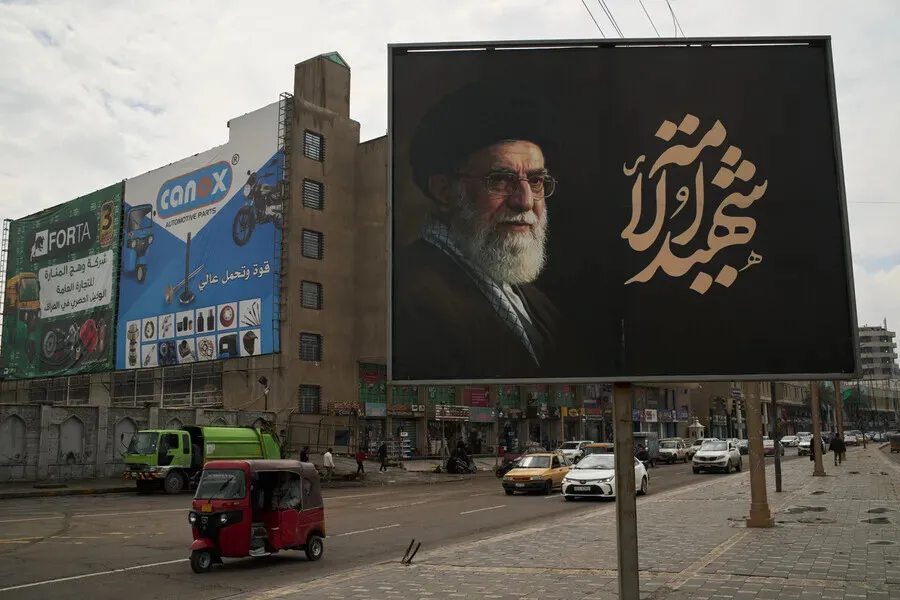
Iran’s state-owned Press TV reported Wednesday (local time) that the Iranian government had rejected the US’ ceasefire proposal.
“Iran will not allow US President Donald Trump to dictate the timing of the war’s end,” the outlet reported, citing a senior Iranian official with knowledge of the details of the proposal.
The Trump administration had reportedly proposed a month-long ceasefire for the two sides to work out a deal that would involve lifting all sanctions on Iran if it were to abandon its nuclear program and open up the Strait of Hormuz. Iran has effectively rejected that proposal in the form of a state media report.
“Iran will end the war when it decides to do so and when its own conditions are met,” the official said. The outlet also reported that the official criticized the US for pursuing negotiations through diplomatic channels and putting forward proposals that are “excessive” and “disconnected from the reality of America’s failure on the battlefield.”
Iran called the overture, which was reportedly delivered via an intermediary in the region friendly with Tehran, a “ploy to heighten tensions,” and has rebuffed the proposal. This suggests that Iran expressed its rejection to the US via Pakistan, which had originally communicated the plan to Iran.
The official also outlined for the outlet five specific conditions under which Iran would agree to a ceasefire: a complete halt to aggression and assassinations by the enemy; the establishment of concrete means to ensure no other war is waged against it; reparations for the war; the end of the war across all fronts; and the recognition of Iran’s exercise of sovereignty over the Strait of Hormuz.
By Noh Hyun-woong, staff reporter
Please direct questions or comments to [english@hani.co.kr]

Editorial・opinion
![[Correspondent’s column] The new generation of ‘sewer socialists’ are in it to win it](https://flexible.img.hani.co.kr/flexible/normal/500/300/imgdb/original/2026/0626/8217824618600972.jpg "[Correspondent’s column] The new generation of ‘sewer socialists’ are in it to win it") [Correspondent’s column] The new generation of ‘sewer socialists’ are in it to win it
[Correspondent’s column] The new generation of ‘sewer socialists’ are in it to win it![[Editorial] Who benefits from tug-of-war over jurisdiction in the DMZ?](https://flexible.img.hani.co.kr/flexible/normal/500/300/imgdb/original/2026/0625/4817823767123335.jpg "[Editorial] Who benefits from tug-of-war over jurisdiction in the DMZ?") [Editorial] Who benefits from tug-of-war over jurisdiction in the DMZ?
[Editorial] Who benefits from tug-of-war over jurisdiction in the DMZ?- [Column] Inequality in Korea hits high not seen since colonial era
- [Editorial] Unity doesn’t mean embracing defenders of insurrection
- [Editorial] Stiff sentence for ex-justice minister shows abetting insurrection won’t go unpunished
- [Column] Bridging the gap between pragmatic policies of North, South Korea
- The second China shock is here — and it’s bigger, broader and more global
- [Column] America declares its retreat from the Middle East
- [Column] North Korea’s economic boom
- [Editorial] Trump’s defeat in Iran raises stakes for Korea
Most viewed articles
- 1UN Command pulls rank, contradicts Seoul on possible violation of armistice by North in DMZ
- 2[Column] Inequality in Korea hits high not seen since colonial era
- 3[World Cup] Saving Son for second half set up South Africa’s surge
- 4Outsourcing war to CFC has turned Korea’s military into a bureaucracy-first force
- 5[Editorial] Unity doesn’t mean embracing defenders of insurrection
- 6Wife of ex-president Yoon sentenced to 7 years for taking kickbacks
- 7Korean appeals court upholds 6-month sentence for Johnny Somali
- 8The AI boom is making Taiwan rich. So why do its people feel poor?
- 9[Correspondent’s column] The new generation of ‘sewer socialists’ are in it to win it
- 10Police investigating 40 cases of assault at Olympic Park protests