hankyoreh
Links to other country sites 다른 나라 사이트 링크
Korea named as target of new Section 301 probe by US

The US Trade Representative (USTR) has officially launched a series of new trade investigations into “structural excess capacity and production,” with Korea listed among the countries subject to scrutiny.
The initial probe will not investigate platform regulations and the digital industry — an area which Coupang investors formerly demanded a USTR investigation.
In an official notice published in the Federal Register on Wednesday, the USTR announced that it would be initiating a series of investigations pursuant to Section 301 of the Trade Act of 1974. These investigations are aimed at the policies and practices of various countries in relation to structural overproduction in the global manufacturing industry. The US government plans to examine whether measures including subsidies, state-owned enterprise activity, export incentive policies, restrictions on market access, financial support and currency practices are triggering excess production.
The investigations will target 16 countries and regions in total, including Korea, China, the European Union, Japan, India, Mexico, Vietnam and Taiwan.
The USTR is set to establish an “open docket” on March 17 for the submission of opinions and applications to attend public hearings. The deadline for submissions is April 15, and public hearings are scheduled to begin May 5. After the last day of the public hearing, there will be a seven-day window to submit rebuttals.
After the review of written submissions, the hearings, the submission of rebuttals and discussions with the country in question, the USTR will reach a final conclusion and, where necessary, propose measures including tariffs, the imposition of a service charge, or negotiations.
In a telephone briefing with the press that day, US Trade Representative Jamieson Greer stated the goal was to complete the investigation before the expiration of Section 122 tariffs in 150 days.
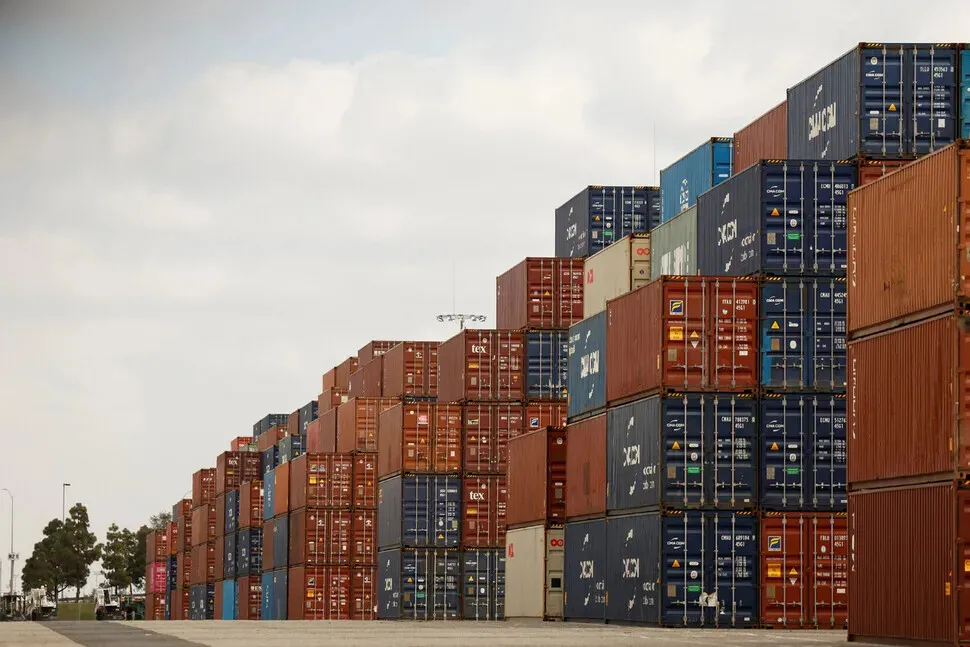
The Trump administration has been relying on Section 301 of the Trade Act as an alternative lever for tariffs since last month’s Supreme Court verdict striking down the reciprocal tariffs the president had imposed under the International Emergency Economic Powers Act. The 10% global tariff currently levied under Section 122 will automatically expire after 150 days unless approved by Congress.
The upcoming investigation cited in the Federal Register announcement is limited to the issue of excess production. In the press briefing, Greer noted that depending on US industry demands, further investigations could follow into areas including a digital services tax, the pricing of pharmaceuticals, access to marine products and grain markets, and marine pollution.
The possibility remains that the digital trade barrier issue could be targeted by a separate investigation. Major investors in Coupang previously urged the US government to conduct a Section 301 investigation over claims that Korea’s digital regulations discriminate against US companies, but the request was later withdrawn.
By Kim Won-chul, Washington correspondent
Please direct questions or comments to [english@hani.co.kr]

Editorial・opinion
![[Editorial] Trump’s baseless claim that Iran bombed girls’ school crosses line](https://flexible.img.hani.co.kr/flexible/normal/500/300/imgdb/original/2026/0309/4217730446901883.jpg "[Editorial] Trump’s baseless claim that Iran bombed girls’ school crosses line") [Editorial] Trump’s baseless claim that Iran bombed girls’ school crosses line
[Editorial] Trump’s baseless claim that Iran bombed girls’ school crosses line![[Correspondent’s column] JD Vance’s 67-hour disappearance](https://flexible.img.hani.co.kr/flexible/normal/500/300/imgdb/original/2026/0306/2517727866984907.jpg "[Correspondent’s column] JD Vance’s 67-hour disappearance") [Correspondent’s column] JD Vance’s 67-hour disappearance
[Correspondent’s column] JD Vance’s 67-hour disappearance- [Column] Withstanding Trump’s predatory hegemony
- [Editorial] US dragging Kurds into its war with Iran would be a disaster
- [Column] US allies in the Gulf are in flames. Can Korea avoid a similar fate?
- [Editorial] North Korea’s tough talk mustn’t deter Seoul’s efforts to rebuild trust
- [Editorial] Attack on Iranian girls’ school is an indefensible crime against humanity
- [Editorial] Trump’s unjustified war with Iran threatens chaos for us all
- [Column] What a Korean man’s foiled plan to seek assisted death in Switzerland reveals
- [Column] This is what accountability looks like
Most viewed articles
- 1Korea named as target of new Section 301 probe by US
- 2‘Made in USA’: Scraps of missile that killed Iranian children point to US responsibility
- 3[Editorial] No greater sign that South Korea must prioritize building its own defense abilities
- 4US may seek exit from Iran war by moving the goalposts of victory
- 5US Democrats say Trump’s investment pressure has ‘deeply unsettled’ alliance with Seoul
- 6[Column] Misconceptions about America’s war with Iran
- 765% of Korean men say gender equality has gone ‘far enough’; only 42% of women agree
- 8How much is the US willing to risk for the Strait of Hormuz?
- 9Coupang investors insinuate that US is planning Section 301 probe into Korea
- 10[News analysis] Air defense pullout signals new era of US strategic flexibility in Korea